

Families and housesUrnok
Maisons, Lignes hautes, produits intermédiaires, apprentissages, quartiers de travail et mobilité sociale.
Browse articlesSpoiler-free reading
Articles
48 articles
Choose a subject to discover its role in this civilization, then follow its connections to places, people and institutions.
Aversin
Orlantis · Resins & varnishes. From tapping to cooking, the Aversin line handles resins: pitch, varnish and balms. Its material gives Orlantis its amber-resin signature.
Read articleBerlan
Orlantis · Felling & timber floating. The Berlan line handles felling and timber floating. Choosing this year’s trees also shapes the forest that the next generation will inherit.
Read articleCalaris
Calaron · Protocol, arenas and seals. House Calaris holds protocol, arenas and seals at the heart of the duchy of Calaron. Its role accompanies the audiences, ceremonies and acts through which imperial power presents itself and makes itself recognised. Seals give material form to authority; protocol organises the place of representatives and the course of meetings. Calaris shares the central functions with the Vael-Orûn Crown, the civil records of Tewolde-Baran and the chancery of Qoré-Mirhan. Receiving a delegation, recognising an act and preserving civil information involve distinct trades and offices. The arenas belong to this institutional responsibility in the capital, Urnok.
Read articleCorsen
Sarnor · Basins and irrigation. The Corsen High Line holds the basins, sluices and irrigation canals of Sarnor. It answers for the works that carry water to the farmland, with a responsibility distinct from owning the grain, keeping the seed and organising the convoys. Hydraulic work uses gravity, dykes, basins and conduits; sluices and readings make it possible to follow the flow of water. An interruption affects the crops and the activities downstream before it has repercussions on the reserves. The territory of Sarnor combines the production of the fields with the continuous upkeep of these works. Corsen takes part in this chain alongside granary keepers, millers, seed families and carriers.
Read articleCorvel
Orlantis · Glues & adhesives. Resin, tendon and ash support joints, veneers and fletched arrows.
Read articleDrakeris
Qor Zaï · March duchy of imperial Qor Zaï. Drakeris is the current ducal branch of the House of Qor Zaï, the oldest Urnokian lineage, which presents itself as descended from the first Urnokians. The House’s historic name can endure when its ruling branch changes. Sarek Drakeris holds imperial Qor Zaï, the south-eastern march duchy open towards Arkhan and the Black Mountains. Bone customs, counter-trails, relays and border brokers structure the territory’s trades. The anti-raptor forts and military harnesses support its function as a march; rare imports of raptors there are subject to special controls. The House operates in a space of contacts, trade routes and armed movements. Imperial Qor Zaï remains distinct from Arkhan Qor Zaï, the bone metropolis and centre of the Seven Trails. The shared name requires couriers, registers and partners to specify the destination and jurisdiction concerned.
Read articleEralis
Bralnor · Stone and major works. House Eralis holds Bralnor, the duchy of quarries, blocks and heavy stone. Hadrav Eralis holds the ducal office in a territory whose works combine extraction, cutting, lifting and transport. Quarry workers prepare the material; specialists in counterweights, winches and heavy haulage organise its movement towards the works. Quarry brachiosaurs take part in this economy with their drivers, their equipment and the crews who check the load-bearing capacity of the roads. Bralnor supplies the stone for bridges, ramparts and monumental buildings, but depends on the ropes, wooden parts, harnesses and fodder produced in the other duchies. Velmor’s leather and Orlantis’s tannins go into the equipment that makes it possible to move a block; Sarnor’s grain sustains the crews and the animals. The power of the Eralis combines a local material with supplies that cross the Empire.
Read articleHouse Calaris
Protocol, arenas and seals: an imperial function at the heart of Calaron.
Read articleHouse Drakeris
The current ducal branch of the House of Qor Zaï, the oldest Urnokian lineage. It holds the south-eastern march facing Arkhan.
Read articleHouse Eralis
The ducal House of Bralnor, the duchy of quarries. It holds the heavy stone of bridges, ramparts and great works.
Read articleHouse Orlenox
The ducal House of Sarnor, the Empire’s granary. It governs the duchy of granaries without owning all of its grain.
Read articleHouse Qoré-Mirhan
The chancery among the functional Houses of the imperial centre.
Read articleHouse Senn-Zarnith
The archducal House of Velmor, the Empire’s only archduchy. Its Vael-Senn branch produced the sisters Marjory and Maelyra.
Read articleHouse Tewolde-Baran
Civil records in a society where a registered name carries responsibilities.
Read articleHouse Vael-Orûn
The imperial House of Urnok. It has carried the Crown for three generations, sits in Urnok and governs an empire several millennia older than itself.
Read articleHouse Voranis
The ducal House of Orlantis, the forest duchy of the west: noble timber, resins, ropes and ports facing Volonia.
Read articleHouses, Lines and responsibilities
Urnok’s family system distributes responsibility among ducal power, supply chains and workshops.
Read articleKarûm-Brakh
All six duchies · Credit, major works and frontier posts across the six duchies. Karûm-Brakh runs through the six duchies by way of credit, major works and frontier posts. Its presence links a family council and regional directorates to the Empire’s building sites and financing. Load-bearing roads, bridges, aqueducts and supply installations connect the activities of the different territories: Bralnor’s stone, Orlantis’s timber, Velmor’s harnesses and Sarnor’s reserves must reach the same works at the right moment. Credit commits resources before the work is finished; the building sites then depend on their supplies, their crews and the passage of the animals. A decision taken in one directorate can interrupt a chain that serves several duchies. Karûm-Brakh exercises this cross-cutting function within the Empire, without constituting a seventh duchy.
Read articleLomvar
Orlantis · Stegosaurids & logging. Breeding, training, harnessing and logging: the Lomvar line handles the stegosaurid chain. The duchy’s emblematic animal belongs to a trade distinct from the ducal House.
Read articleMarlen
Sarnor · Milling and flood mills. The Marlen of Sarnor hold milling and the flood mills. Their activity turns the cereals kept in the reserves into products intended for food. It sits between storage and distribution: keeping a lot, milling it and moving it are different responsibilities. The availability of the mills depends on water and on deliveries, while the convoys must carry the products to the places of consumption. Marlen works in contact with the other agricultural supply chains, notably Corsen’s works, the granaries and the Tanoris’ transport rights. The name Marlen also exists in Orlantis for downstream floating and the ports. The two registrations designate distinct trades in two duchies; the name alone does not allow a common genealogy to be attributed to them.
Read articleMirvane
Orlantis · Carpentry & construction. Roof trusses, bridges, halls and scaffolds: the Mirvane line gives timber an architectural scale. Their workshops are tall because of what they assemble.
Read articleNalen
Orlantis · Cordage & fibres. Hauling and rigging depend on them, all the way to Velmor’s anti-air nets.
Read articleOmbrin
Orlantis · Lampblack & pigments. A forest material becomes the ink in imperial registers.
Read articleOrlenox
Sarnor · Ducal House of Sarnor. House Orlenox holds Sarnor, the agricultural duchy of granaries, grain and fodder. Teren Orlenox is a child duke; the territory is governed through a regency. The House notably owns the Gué-Long cathedral granary, but the reserves are divided among several dozen granary families. Karnil keeps the granaries of the Upper Ford, Ulmen the seed and draught lineages, Corsen the basins and irrigation, Tanoris rationing and convoys, Marlen the mills. The Orlenox properties form one part of the agricultural whole, alongside stocks and rights belonging to other Lines. The farms feed the population and supply the transport animals; the breeding reserves sustain future harvests. A delivery of fodder requires granary keepers, carriers and halt managers to be able to work together. The name Orlenox belongs to an ancient layer of Sarnor.
Read articleQoré-Mirhan
Calaron · Chancery, letters and borders. House Qoré-Mirhan holds the imperial chancery. Its domain brings together diplomacy, letters and borders: decisions taken at the centre must reach the parties for whom they are intended, with their jurisdiction and scope. The capital, Urnok, concentrates these exchanges between the Crown, the duchies and the neighbouring powers. A letter addressed to the march of imperial Qor Zaï concerns a different territory from the Arkhan metropolis of the same name; place names and authorities must be kept distinct. Qoré-Mirhan shares the work of the centre with the civil records of Tewolde-Baran and the protocol of Calaris. Its function covers relations and acts of chancery.
Read articleSarnor Three Seasons: private supply
An agro-industrial house, to be read alongside public granaries and Sarnor’s Lines.
Read articleSenn-Zarnith / Vael-Senn
Velmor · Archduchy, harnesses and armament. The archducal House Senn-Zarnith and the Vael-Senn branch belong to the tradition of Velmor. This former kingdom is the only archduchy of the Empire and retains a quasi-royal rank, visible in its Senn-, Vael- and -zarnith names. Maelyra Senn-Zarnith holds the archducal office. The eastern territory combines black stone, harnesses, leather, archery, ballistae and war animal lineages. Its black iguanodons and hadrosaurs live alongside the siege sauropods; the imperial stegosaurids belong to Orlantis. The Living Armouries bring together Velmorian materials, state orders and parts from Korath. The tannins, fibres, ropes and food reserves of the other duchies contribute to this military production. Marévant is a minor House established on the coast of the same territory. Velmor brings together an ancient archducal authority, trade families and coastal establishments with distinct functions.
Read articleTanoris
Orlantis · Bark tannins. Bark feeds tanneries, then leather and harnesses. This registration is separate from the Tanoris of Sarnor.
Read articleTanoris
Sarnor · Rationing and convoys. The Tanoris of Sarnor hold rationing and convoys. Their function is the right to move grain, distinct from ownership of the reserves transported. They link the granaries to the places where people and animals must receive their food, through a network of roads, relays, water and fodder. A delivery depends on the availability of the lot as much as on that of the crews, the draught teams and the passages. Storage bodies and transport trades answer for different links. Another Tanoris Line exists in Orlantis, where it prepares the bark tannins used by the tanneries. These two families hold different registrations; their shared name does not establish kinship. The duchy and the product make it possible to tell their charges apart.
Read articleTewolde-Baran
Calaron · Civil records and administrative continuity. House Tewolde-Baran maintains the civil records and administrative continuity of the imperial centre. Procedure, the preservation of information and counsel make up its domain. A person’s name, their registration and the succession of acts must be retrievable when officials change or when a catastrophe upends the institutions. The House works in the capital, Urnok, located in the duchy of Calaron, alongside the scribes and the other record-keeping functions. Its activity is distinct from the protocol of Calaris and the diplomatic letters of Qoré-Mirhan. It preserves the civil information that allows the administration to continue its work beyond a reign or a crisis.
Read articleThe Aversin Line
The High Line of the resins of Orlantis: tapping, cooking, pitch, varnish and balms. It gives the duchy its amber-resin signature and always cooks outside the walls.
Read articleThe Corvel Line
An intermediate-product Line of Orlantis: glues and adhesives made of resin, tendon and ash, on which every joint depends.
Read articleThe Culorn Line
Exploring high forest, reading tracks and maintaining a hunting industry in Orlantis.
Read articleThe Karnil Line
The memory of the Upper Ford silos predates Unification.
Read articleThe Living Armouries
An industrial structure assembling protection, inspection and military supply.
Read articleThe Lomvar Line
The High Line of the stegosaurids of Orlantis: breeding, training, harnessing and logging. The family that holds the duchy’s emblem is not the ducal family.
Read articleThe Marlen Line of Orlantis
Downstream timber floating and inland ports open the forest chain towards Volonia.
Read articleThe Marlen Line of Sarnor
The High Line of milling and flood mills: between granary and ration, it turns stored grain into food.
Read articleThe Mirvane Line
The High Line of carpentry and construction in Orlantis: trusses, bridges, halls and scaffolds. It reads a forest in spans.
Read articleThe Nalen Line
An intermediate-product Line of Orlantis: the ropes and fibres of hauling, rigging and Velmor’s anti-air nets.
Read articleThe Tanoris Line of Orlantis
An intermediate-product Line of Orlantis: the bark tannins on which every tannery depends, hence every harness, hence Velmor.
Read articleThe Tanoris Line of Sarnor
A High Line of Sarnor that owns no grain: it owns the right to move it, from the granary to the mouths it must feed.
Read articleThe Tolmen Line
The High Line of fine joinery and turning: hubs, axles, pulleys and calibrated parts. It is the link that breaks.
Read articleThe Triple Harnesses of Qor Zaï
A heavy-harness industrial house within the march and its border trades.
Read articleTolmen
Orlantis · Joinery & turning. Hubs, axles, pulleys and calibrated parts: the Tolmen line works the details that make movement possible. Its chain joins fine joinery with turning.
Read articleUlmen
Sarnor · Seed and draught lineages. The Ulmen hold the seed and draught lineages of Sarnor. Their agricultural reserve is intended for future harvests; it has a different function from the grain available for immediate consumption. The breeding of draught animals also commits the continuity of transport and work. The Ulmen registration distinguishes these reserves from those of the granary families and from the transport rights held by Tanoris. Corsen’s basins and canals sustain the crops; Marlen’s mills turn other lots into food. Consuming a seed reserve would reduce what can be planted: the destination and custody of the lots must therefore remain identifiable. The role of the Ulmen extends production from one season to the next within the duchy’s agricultural supply chains.
Read articleVael-Orûn
Calaron · Crown and imperial institutions. House Vael-Orûn has carried the imperial Crown for three generations. A distant branch descended from Sarnor, it succeeded several warrior dynasties and has established a hegemonic peace since the time of Orûs’s grandfather. Orûs III exercises sovereignty; Sahina is his designated heir and holds the high stewardship; Maivar belongs to the cadet branch. Their seat is Urnok, the capital located in the historic duchy of Calaron. The family’s power combines living patrimony, law, roads and the means of the state. The military titans assigned to the duchies and the orders remain the legal property of the Crown, as do their remains. The functions of the centre are divided among several Houses: Calaris for protocol, arenas and seals, Tewolde-Baran for civil records, Qoré-Mirhan for the chancery. Power also depends on the granaries of Sarnor, the works of Bralnor, the supplies of Orlantis and the crews who maintain the roads.
Read articleVoranis
Orlantis · Forests, resins and ports. The Voranis are the ducal House of Orlantis, a forest territory of noble timber, resins, ropes and ports. The duke is a man. Seven High Lines organise the main supply chains: Berlan for felling and timber floating, Lomvar for stegosaurids, Mirvane for carpentry, Tolmen for turning and fine joinery, Aversin for resins, Culorn for exploration and high-forest hunting, Marlen for downstream floating and shipments. The imperial stegosaurids are exclusively Orlantine; their breeding and harnessing fall to the Lomvar, a family distinct from the ducal House. Corvel, Nalen, Ombrin and Tanoris supply the intermediate products of the workshops and of trade between duchies. The cargoes reach Volonia, which sustains a diplomacy of the Voranis’ own. The territory preserves proto-Volonian names and districts where arrivals, basins, drying sheds, workshops and ports follow one another from upstream to downstream.
Read article
Every name has its own mark.
Houses, territories and institutions carry distinct emblems. Discover the living work behind each mark.
37 emblems
 House & Line
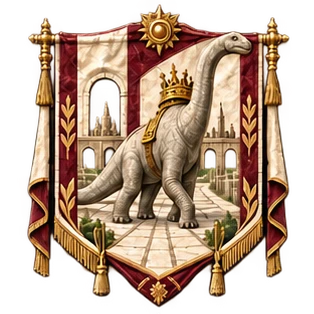
Vael-Orûn
Read the mark
Couronne et institutions impériales
Origin of the emblem
D’après le registre des Lignes, l’atlas de la Pangée et les armoriaux de référence.
The emblem follows the signs in use; it says nothing of genealogy or political titles.
Sheet of sixteen emblems ↗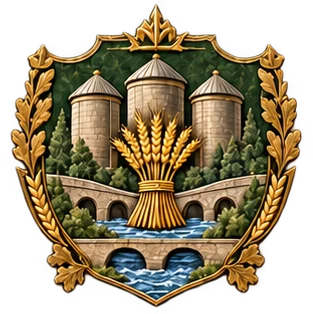 House & Line
Orlenox
Read the mark
Maison ducale de Sarnor
Origin of the emblem
D’après le registre des Lignes, l’atlas de la Pangée et les armoriaux de référence.
The emblem follows the signs in use; it says nothing of genealogy or political titles.
Sheet of sixteen emblems ↗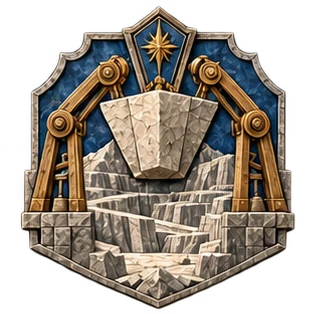 House & Line
Eralis
Read the mark
Pierre et grands chantiers
Origin of the emblem
D’après le registre des Lignes, l’atlas de la Pangée et les armoriaux de référence.
The emblem follows the signs in use; it says nothing of genealogy or political titles.
Sheet of sixteen emblems ↗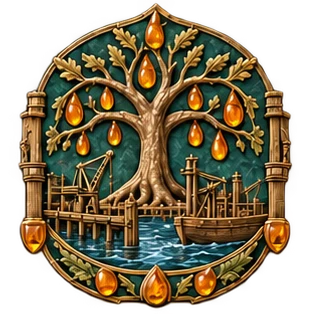 House & Line
Voranis
Read the mark
Forêts, résines et ports
Origin of the emblem
D’après le registre des Lignes, l’atlas de la Pangée et les armoriaux de référence.
The emblem follows the signs in use; it says nothing of genealogy or political titles.
Sheet of sixteen emblems ↗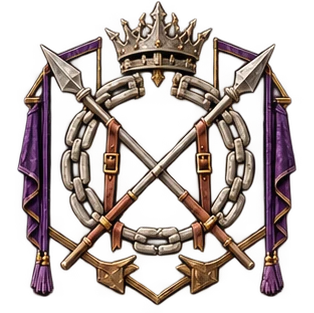 House & Line
Senn-Zarnith
Read the mark
Archiduché, harnais et armement
Origin of the emblem
D’après le registre des Lignes, l’atlas de la Pangée et les armoriaux de référence.
The emblem follows the signs in use; it says nothing of genealogy or political titles.
Sheet of sixteen emblems ↗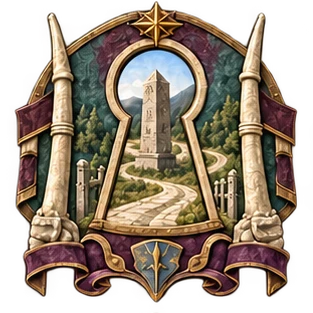 House & Line
Drakeris
Read the mark
Duché-marche de Qor-Zaï impérial
Origin of the emblem
D’après le registre des Lignes, l’atlas de la Pangée et les armoriaux de référence.
The emblem follows the signs in use; it says nothing of genealogy or political titles.
Sheet of sixteen emblems ↗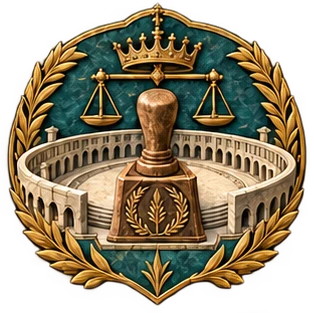 House & Line
Calaris
Read the mark
Protocole, arènes et sceaux
Origin of the emblem
D’après le registre des Lignes, l’atlas de la Pangée et les armoriaux de référence.
The emblem follows the signs in use; it says nothing of genealogy or political titles.
Sheet of sixteen emblems ↗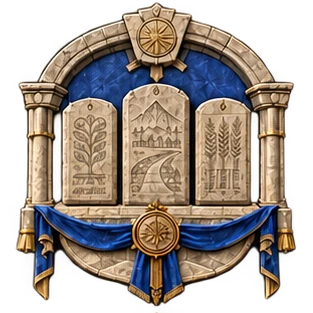 House & Line
Tewolde-Baran
Read the mark
État civil et continuité administrative
Origin of the emblem
D’après le registre des Lignes, l’atlas de la Pangée et les armoriaux de référence.
The emblem follows the signs in use; it says nothing of genealogy or political titles.
Sheet of sixteen emblems ↗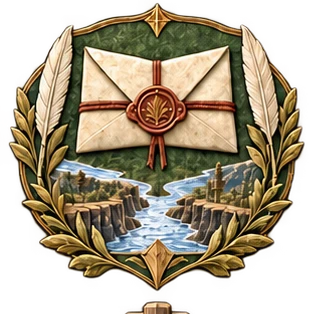 House & Line
Qoré-Mirhan
Read the mark
Chancellerie, lettres et frontières
Origin of the emblem
D’après le registre des Lignes, l’atlas de la Pangée et les armoriaux de référence.
The emblem follows the signs in use; it says nothing of genealogy or political titles.
Sheet of sixteen emblems ↗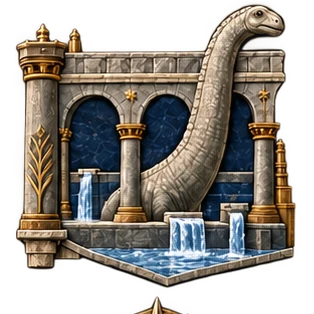 House & Line
Karûm-Brakh
Read the mark
Crédit, grands travaux et postes frontières dans les six duchés
Origin of the emblem
D’après le registre des Lignes, l’atlas de la Pangée et les armoriaux de référence.
The emblem follows the signs in use; it says nothing of genealogy or political titles.
Sheet of sixteen emblems ↗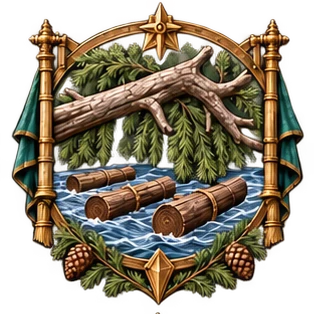 House & Line
Berlan · Orlantis
Read the mark
Abattage & flottage
Origin of the emblem
D’après le registre des Lignes, l’atlas de la Pangée et les armoriaux de référence.
The emblem follows the signs in use; it says nothing of genealogy or political titles.
Sheet of sixteen emblems ↗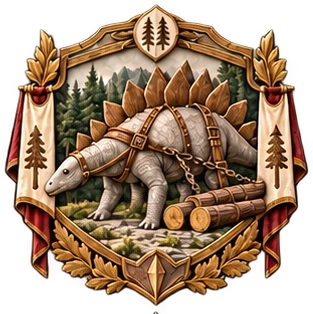 House & Line
Lomvar · Orlantis
Read the mark
Stégosauridés & débardage
Origin of the emblem
D’après le registre des Lignes, l’atlas de la Pangée et les armoriaux de référence.
The emblem follows the signs in use; it says nothing of genealogy or political titles.
Sheet of sixteen emblems ↗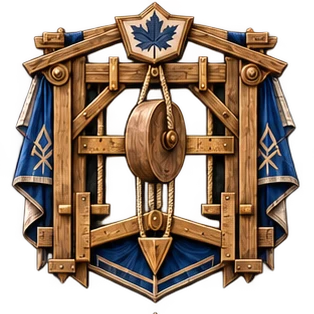 House & Line
Tolmen · Orlantis
Read the mark
Menuiserie & tournage
Origin of the emblem
D’après le registre des Lignes, l’atlas de la Pangée et les armoriaux de référence.
The emblem follows the signs in use; it says nothing of genealogy or political titles.
Sheet of sixteen emblems ↗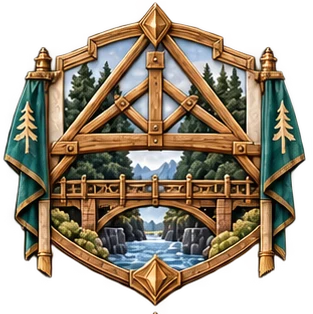 House & Line
Mirvane · Orlantis
Read the mark
Charpente & construction
Origin of the emblem
D’après le registre des Lignes, l’atlas de la Pangée et les armoriaux de référence.
The emblem follows the signs in use; it says nothing of genealogy or political titles.
Sheet of sixteen emblems ↗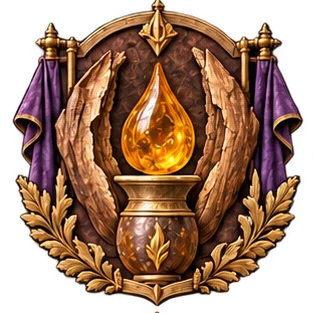 House & Line
Aversin · Orlantis
Read the mark
Résines & vernis
Origin of the emblem
D’après le registre des Lignes, l’atlas de la Pangée et les armoriaux de référence.
The emblem follows the signs in use; it says nothing of genealogy or political titles.
Sheet of sixteen emblems ↗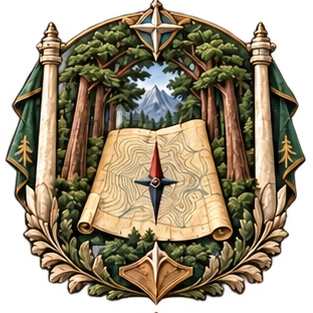 House & Line
Culorn · Orlantis
Read the mark
Haute futaie & cartographie
Origin of the emblem
D’après le registre des Lignes, l’atlas de la Pangée et les armoriaux de référence.
The emblem follows the signs in use; it says nothing of genealogy or political titles.
Sheet of sixteen emblems ↗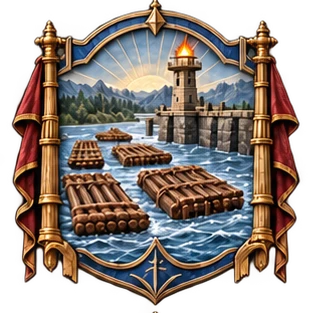 House & Line
Marlen · Orlantis
Read the mark
Flottage aval & ports
Origin of the emblem
D’après le registre des Lignes, l’atlas de la Pangée et les armoriaux de référence.
The emblem follows the signs in use; it says nothing of genealogy or political titles.
Sheet of sixteen emblems ↗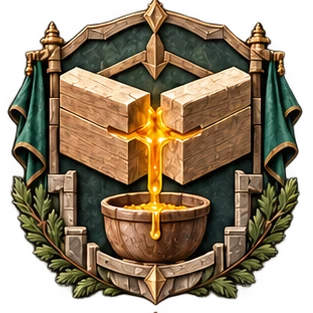 House & Line
Corvel · Orlantis
Read the mark
Colles & gluaux
Origin of the emblem
D’après le registre des Lignes, l’atlas de la Pangée et les armoriaux de référence.
The emblem follows the signs in use; it says nothing of genealogy or political titles.
Sheet of sixteen emblems ↗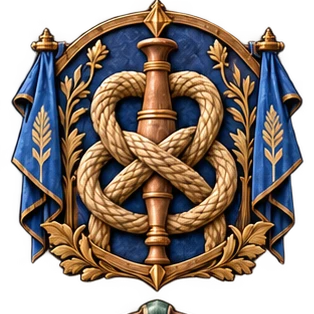 House & Line
Nalen · Orlantis
Read the mark
Cordages & fibres
Origin of the emblem
D’après le registre des Lignes, l’atlas de la Pangée et les armoriaux de référence.
The emblem follows the signs in use; it says nothing of genealogy or political titles.
Sheet of sixteen emblems ↗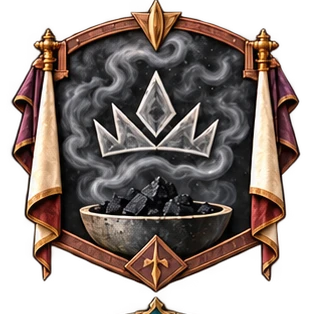 House & Line
Ombrin · Orlantis
Read the mark
Noir de fumée & pigments
Origin of the emblem
D’après le registre des Lignes, l’atlas de la Pangée et les armoriaux de référence.
The emblem follows the signs in use; it says nothing of genealogy or political titles.
Sheet of sixteen emblems ↗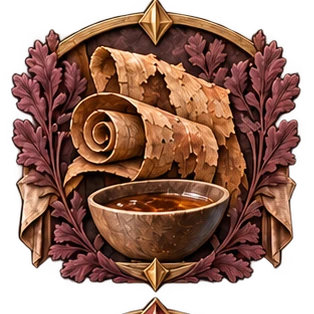 House & Line
Tanoris · Orlantis
Read the mark
Tanins d’écorce
Origin of the emblem
D’après le registre des Lignes, l’atlas de la Pangée et les armoriaux de référence.
The emblem follows the signs in use; it says nothing of genealogy or political titles.
Sheet of sixteen emblems ↗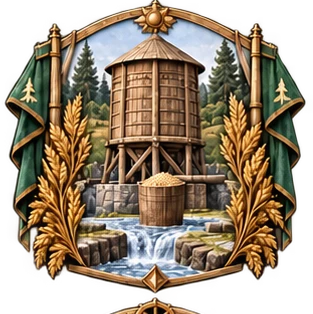 House & Line
Karnil · Sarnor
Read the mark
Silos du Gué haut
Origin of the emblem
D’après le registre des Lignes, l’atlas de la Pangée et les armoriaux de référence.
The emblem follows the signs in use; it says nothing of genealogy or political titles.
Sheet of sixteen emblems ↗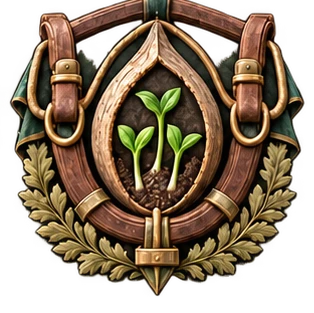 House & Line
Ulmen · Sarnor
Read the mark
Semences et lignées de trait
Origin of the emblem
D’après le registre des Lignes, l’atlas de la Pangée et les armoriaux de référence.
The emblem follows the signs in use; it says nothing of genealogy or political titles.
Sheet of sixteen emblems ↗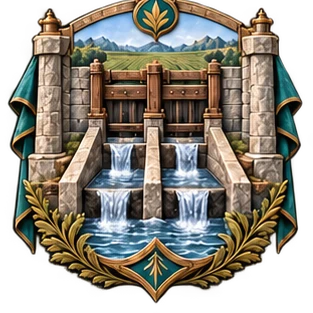 House & Line
Corsen · Sarnor
Read the mark
Bassins et irrigation
Origin of the emblem
D’après le registre des Lignes, l’atlas de la Pangée et les armoriaux de référence.
The emblem follows the signs in use; it says nothing of genealogy or political titles.
Sheet of sixteen emblems ↗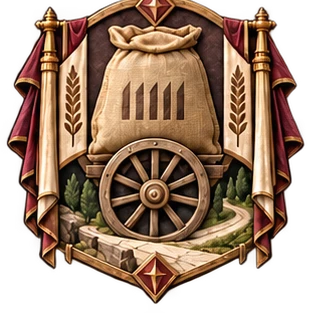 House & Line
Tanoris · Sarnor
Read the mark
Rationnement et convois
Origin of the emblem
D’après le registre des Lignes, l’atlas de la Pangée et les armoriaux de référence.
The emblem follows the signs in use; it says nothing of genealogy or political titles.
Sheet of sixteen emblems ↗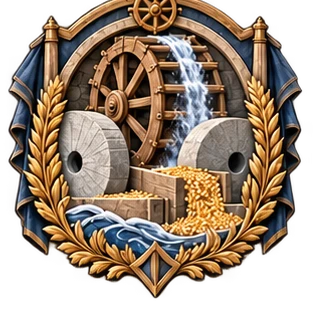 House & Line
Marlen · Sarnor
Read the mark
Meunerie et moulins de crue
Origin of the emblem
D’après le registre des Lignes, l’atlas de la Pangée et les armoriaux de référence.
The emblem follows the signs in use; it says nothing of genealogy or political titles.
Sheet of sixteen emblems ↗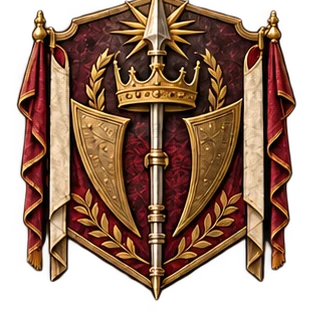 Public order
Ordre impérial d’Orûs
Read the mark
Protection impériale et ouverture du passage : le bouclier entoure la lance et la couronne.
Origin of the emblem
D’après le registre des Lignes, l’atlas de la Pangée et les armoriaux de référence.
The emblem follows the signs in use; it says nothing of genealogy or political titles.
Sheet of sixteen emblems ↗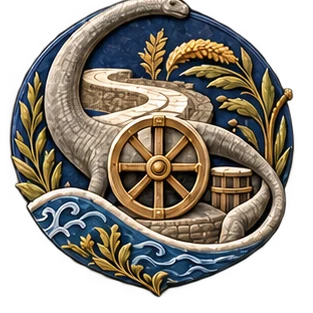 Public order
Ordre des Diplodocus
Read the mark
Logistique et entretien des voies : le long cou accompagne la roue, l’eau et le fourrage.
Origin of the emblem
D’après le registre des Lignes, l’atlas de la Pangée et les armoriaux de référence.
The emblem follows the signs in use; it says nothing of genealogy or political titles.
Sheet of sixteen emblems ↗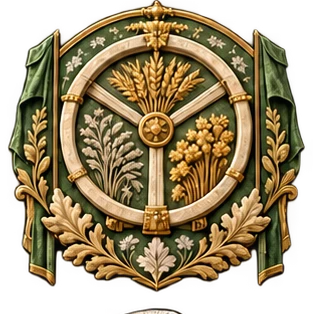 Institution
Maison Trois-Saisons
Read the mark
Une maison liée au fourrage, aux silos et aux rations de Sarnor.
Origin of the emblem
D’après le registre des Lignes, l’atlas de la Pangée et les armoriaux de référence.
The emblem follows the signs in use; it says nothing of genealogy or political titles.
Sheet of sixteen emblems ↗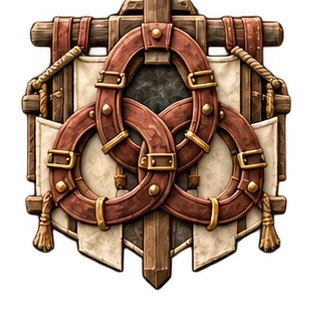 Institution
Harnais Triplés de Qor Zaï
Read the mark
Une maison-guilde de harnais lourds dans les métiers de frontière.
Origin of the emblem
D’après le registre des Lignes, l’atlas de la Pangée et les armoriaux de référence.
The emblem follows the signs in use; it says nothing of genealogy or political titles.
Sheet of sixteen emblems ↗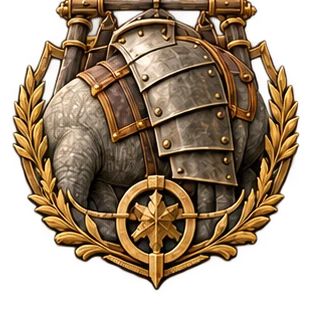 Institution
Armureries Vivantes
Read the mark
Une structure industrielle qui assemble protection, contrôle et approvisionnement militaire.
Origin of the emblem
D’après le registre des Lignes, l’atlas de la Pangée et les armoriaux de référence.
The emblem follows the signs in use; it says nothing of genealogy or political titles.
Sheet of sixteen emblems ↗ Territory
Calaron
Read the mark
capitale Urnok. administration et registres. voirie lourde et écoles de la Route.
Origin of the emblem
D’après la géographie d’Urnok, le registre des Lignes et l’atlas de la Pangée.
The emblem follows the signs in use; it says nothing of genealogy or political titles.
Sheet of sixteen emblems ↗ Territory
Sarnor
Read the mark
silos dont Gué-Long. semences et moulins. bassins et canaux. Lignes Karnil, Ulmen, Corsen, Tanoris, Marlen.
Origin of the emblem
D’après la géographie d’Urnok, le registre des Lignes et l’atlas de la Pangée.
The emblem follows the signs in use; it says nothing of genealogy or political titles.
Sheet of sixteen emblems ↗ Territory
Bralnor
Read the mark
carrières. blocs et treuils. contrepoids. roulage lourd et sauropodes.
Origin of the emblem
D’après la géographie d’Urnok, le registre des Lignes et l’atlas de la Pangée.
The emblem follows the signs in use; it says nothing of genealogy or political titles.
Sheet of sixteen emblems ↗ Territory
Orlantis
Read the mark
futaiе et flottage. enclos Lomvar hors des centres. séchoirs et étuves. charpente Mirvane. résines Aversin sous le vent. ports Marlen. cordages Nalen, colles Corvel, pigments Ombrin et tanins Tanoris.
Origin of the emblem
D’après la géographie d’Urnok, le registre des Lignes et l’atlas de la Pangée.
The emblem follows the signs in use; it says nothing of genealogy or political titles.
Sheet of sixteen emblems ↗ Territory
Velmor
Read the mark
archiduché oriental. iguanodons/hadrosaures noirs et sauropodes. archerie, balistes et harnais. axe Aryel / Ishtir.
Origin of the emblem
D’après la géographie d’Urnok, le registre des Lignes et l’atlas de la Pangée.
The emblem follows the signs in use; it says nothing of genealogy or political titles.
Sheet of sixteen emblems ↗ Territory
Qor Zaï impérial
Read the mark
marches sud-est. douanes et relais. axes vers Arkhan et Korath. distinct de la capitale arkhane homonyme.
Origin of the emblem
D’après la géographie d’Urnok, le registre des Lignes et l’atlas de la Pangée.
The emblem follows the signs in use; it says nothing of genealogy or political titles.
Sheet of sixteen emblems ↗Armorials & responsibilities
Houses, orders and responsibilities
Explore their work and institutions. Open an emblem to read its responsibilities.
Heraldry Urnok
48 / 48 emblems
Vael-OrûnResponsibilities
Couronne et institutions impériales
Senn-Zarnith / Vael-SennResponsibilities
Archiduché, harnais et armement
OrlenoxResponsibilities
Maison ducale de Sarnor
EralisResponsibilities
Pierre et grands chantiers
VoranisResponsibilities
Forêts, résines et ports
DrakerisResponsibilities
Duché-marche de Qor-Zaï impérial
CalarisResponsibilities
Protocole, arènes et sceaux
Tewolde-BaranResponsibilities
État civil et continuité administrative
Qoré-MirhanResponsibilities
Chancellerie, lettres et frontières
Karûm-BrakhResponsibilities
Crédit, grands travaux et postes frontières dans les six duchés
BerlanResponsibilities
Abattage & flottage
LomvarResponsibilities
Stégosauridés & débardage
TolmenResponsibilities
Menuiserie & tournage
MirvaneResponsibilities
Charpente & construction
AversinResponsibilities
Résines & vernis
CulornResponsibilities
Haute futaie & cartographie
MarlenResponsibilities
Flottage aval & ports
CorvelResponsibilities
Colles & gluaux
NalenResponsibilities
Cordages & fibres
OmbrinResponsibilities
Noir de fumée & pigments
TanorisResponsibilities
Tanins d’écorce
KarnilResponsibilities
Silos du Gué haut
UlmenResponsibilities
Semences et lignées de trait
CorsenResponsibilities
Bassins et irrigation
TanorisResponsibilities
Rationnement et convois
MarlenResponsibilities
Meunerie et moulins de crue
Le commandement impérial d’UrnokResponsibilities
La Couronne décide ; les institutions, les duchés et les chaînes logistiques rendent la décision exécutable.
Impôts, privilèges et contributions impérialesResponsibilities
La fiscalité finance les voies et les réserves ; elle rend aussi visible le prix politique des grands privilèges.
Comment une décision devient impérialeResponsibilities
La matrice des décisions révèle les personnes, les matières et les institutions qu’un acte officiel doit traverser.
Le Grand Collège impérialResponsibilities
Confirmer une succession, arbitrer une crise et donner aux actes impériaux leur légitimité.
La Haute Chancellerie des Voies VivantesResponsibilities
Une route impériale se mesure aux corps, aux charges et aux réserves qu’elle peut réellement soutenir.
Le Synode des Mesures VivantesResponsibilities
L’université d’État forme ceux qui doivent compter juste avant que le vivant mette leur calcul à l’épreuve.
La Diète des Grands SilosResponsibilities
Une certification des réserves dont la force tient à la confiance publique et au rituel.
La Banque Impériale des Écailles et des RoutesResponsibilities
Émission, dette et garanties lient la monnaie aux réserves et aux voies de l’Empire.
Maisons, Lignes et responsabilitésResponsibilities
Le système familial d’Urnok distribue la responsabilité entre pouvoir ducal, filières et ateliers.
Sarnor Trois-Saisons : le ravitaillement privéResponsibilities
Une maison liée au fourrage, aux silos et aux rations de Sarnor.
Les Harnais Triplés de Qor ZaïResponsibilities
Une maison-guilde de harnais lourds dans les métiers de frontière.
Les Armureries VivantesResponsibilities
Une structure industrielle qui assemble protection, contrôle et approvisionnement militaire.
Karûm-Brakh : crédit et travaux dans les six duchésResponsibilities
Crédit, grands travaux et postes frontières relient l’entreprise à plusieurs chaînes impériales.
La Ligne KarnilResponsibilities
La mémoire des silos du Gué haut précède l’Unification.
La Ligne CulornResponsibilities
Explorer la haute futaie, lire les pistes et tenir une filière de chasse en Orlantis.
La Ligne Marlen d’OrlantisResponsibilities
Le flottage d’aval et les ports intérieurs ouvrent la chaîne forestière vers Volonia.
Le registre de l’œuf à UrnokResponsibilities
À Urnok, un œuf est d’abord une responsabilité inscrite : son statut organise l’alimentation, l’élevage, le travail et le rite.
Urnok : le registre du vivantResponsibilities
À Urnok, une responsabilité civile commence par un statut lisible : ce qui naît, circule, travaille ou se consacre ne relève pas de la même décision.
Urnok : registres, succession et responsabilitéResponsibilities
Les Lignes donnent une adresse durable aux travaux. Lorsqu’un maillon échoue, le registre indique qui doit expliquer, réparer ou transmettre.
Urnok : vérifier le statut d’un vivantResponsibilities
Le droit de l’œuf lie statut, provenance et usage. Le litige porte d’abord sur ce qui a été déclaré, puis sur les responsabilités que cette déclaration entraîne.
Routes commerciales entre Urnok et VoloniaResponsibilities
Le commerce entre l’Empire et l’archipel dépend de matériaux préparés, de ports capables de les recevoir et de responsabilités réparties entre plusieurs métiers.
Accueil des voyageurs dans les relaisResponsibilities
Un relais permet à des personnes, des animaux et des charges de reprendre la route sans déplacer sur le voisinage les risques du voyage.