

People
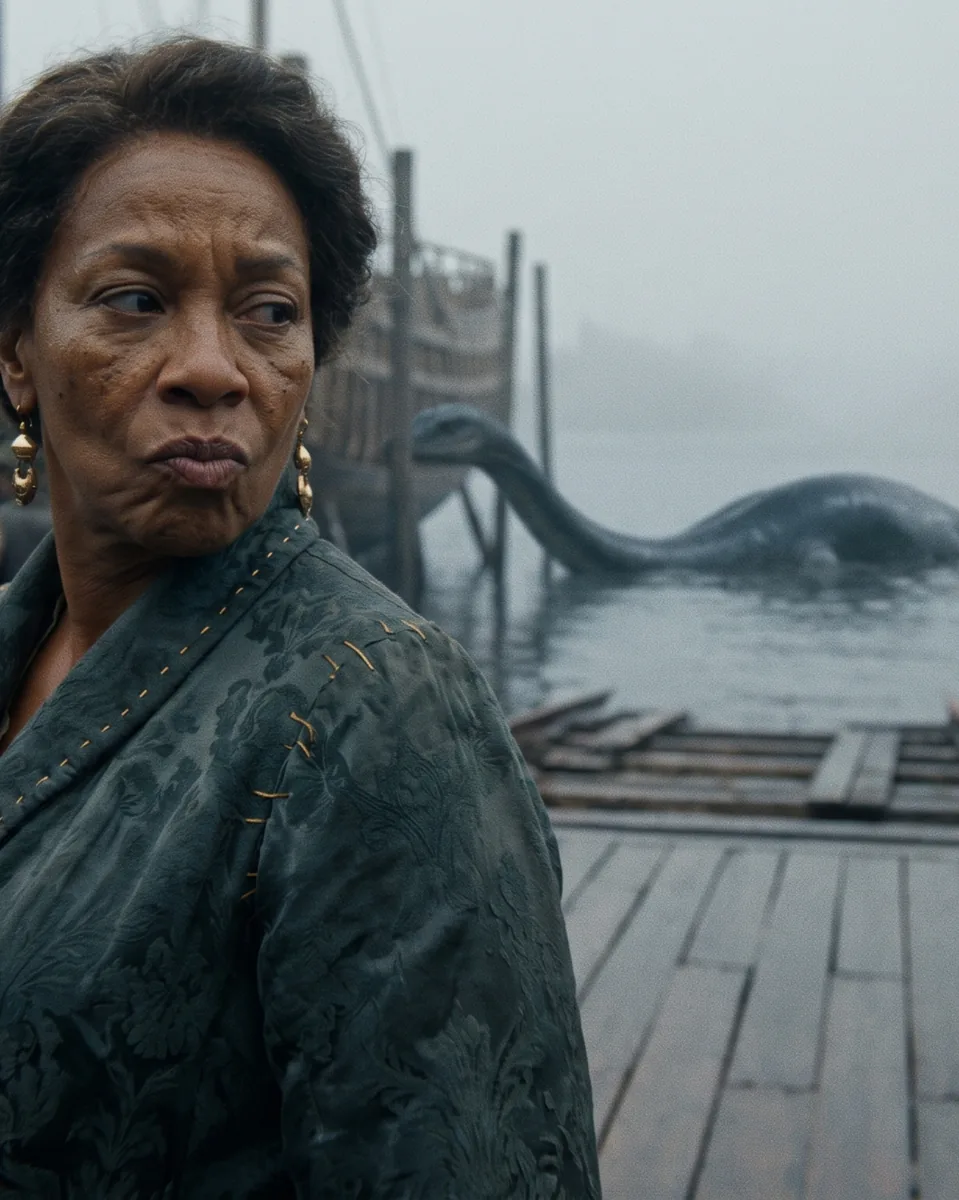
Kalyssa
Mistress of the quays: she reads a cargo by its movements as much as by its manifests.
Quays and manifests
Kalyssa runs the quays and the loading manifests. She knows what goes aboard and what comes out of the holds even before customs. Her work places her alongside the captains, the cages and the operations that give the port’s trade its material existence.
“It breathes”
She reads a cargo by its movements as much as by its papers. A living quay has its rhythm: an unusual calm, or a manifest that does not match the activity, catches her attention. Her diagnosis fits in one formula: a cargo “breathes” or “does not breathe”. A manifest that does not breathe is a falsified manifest.
Houses negotiate their contracts and ships follow their routes, but cargoes pass through the hands of people who know how to recognise them. Kalyssa stands for that practical knowledge of holds, crews and goods.
A lineage of service
Kalyssa does not come from a great house. She belongs to one of those families of service that the quays respect more than many a famous surname: lineages that have kept the holds, the crews, the cages and the physical safety of cargoes for generations. There, one inherits no fleet, only a skill and a place on the quay. As a child she followed her elders along the planks, counted sacks, and learned to recognise the creak of a badly lashed cage and the smell of resin that is still fresh.
Her title of quaymistress covers precise work. She assigns mooring berths, sets the order of unloading, separates what must wait from what may come ashore, and keeps the movement book, written in Quay Notation, where every arrival and every departure receives a tally sign. Captains meet her before the customs clerks: she is the one who tells them on which tide they will berth, and whether they will berth at all.
Reading a quay by its bodies
Kalyssa does not trust documents first. She watches how a hull sits in the water: a ship that rides lower than its declared tonnage is carrying something the manifest forgets. She listens to a gangway bend under the porters, and smells the brine, the tar, the soft rot of badly salted sea flesh. A cage that is too quiet worries her more than one that growls. Handlers who walk around a crate, a crew that refuses to drink at the quay, nervous plesiosaurs in the service basin: all of it goes into her reading.
This is what she calls the breathing of a cargo. A living quay has its noises, its pauses, its curses; when an unloading goes too quietly or too fast, something is being hidden. Her mount, Cale-Basse, an amphibious hadrosaur with dark blue skin often draped in seaweed, hates badly nailed planks and dives without warning. Kalyssa trusts the reaction of a body, human or animal, before she trusts a manifest.
A voice of the quays
Kalyssa talks the way people work on the planks: directly, with words of the body and with curses, never detouring through drawing-room formulas. She loves the quays because bodies there give the lie to contracts; she has seen too many sealed letters cover holds that did not breathe to take a signature at its word. This cynicism does not make her lazy: she is brave and diligent, and inspects what she suspects herself instead of sending someone to check.
With captains she plays a thankless part: the one who reminds them that the cargo breathes, that the animals in the hold are thirsty, that the tide will not wait for the end of a price discussion. She negotiates neither premiums nor shares; that is not her trade, and she leaves it to the brokers. On the quays people repeat that with her “paper floats and the hold sinks”: what is written can always be put right, but not what is rotting in the dark.
A first-hand witness
Kalyssa is one of the pairs of eyes Andrea Vornëa keeps on the quays. What she notices feeds the heiress’s readings: a ship loading at night, a cage declared empty that weighs too much, a route that changes for no written reason. She does not sell rumours, and she does not work like Calys Mornet, who trades in what the mouths of the port are saying.
The difference can be heard in the language. Vòlon distinguishes three modes of proof; Kalyssa speaks in the Hand mode, the mode of what one has seen or done oneself, which commits the speaker’s person. She refuses to speak in the Mist mode, the mode of rumour without guarantee. When she says a cargo does not breathe, she endorses it: it is her hand, and so her standing on the quays, that she puts into the sentence.